A bin of screws “gone missing,” a pallet that can’t be found, a specialized tool that never makes its way back to the right spot… In industrial environments, this isn’t an isolated incident. It’s a daily irritant that ends up costing a lot, often without ever clearly appearing in a report.
The real problem isn’t just the “lost object.” It’s everything that follows: wasted time, delays, duplicate purchases, friction between teams, and sometimes even production stoppages.
A classic scenario
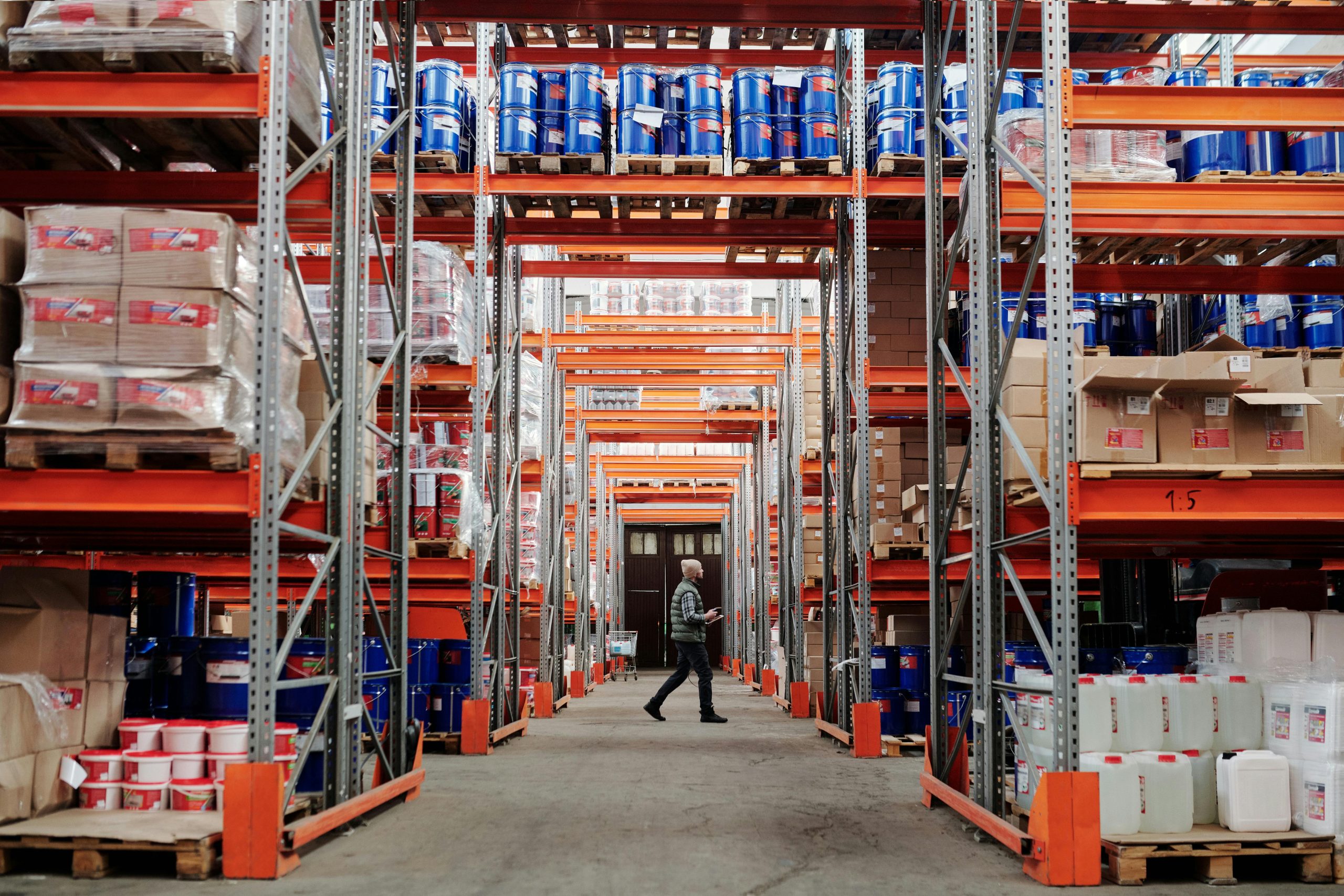
A very concrete example comes from a project described by UQAM and clearly illustrates the reality. A company produces millions of screws per month but can no longer locate certain bins within the factory. In other cases, it’s pallets that need to be found. The risk is not just the time spent searching; it’s the ability to deliver on time to clients who rely on those parts to feed their own production lines.
Put differently: a missing bin can turn into a late delivery, then an emergency, then a margin loss, and ultimately a reputational issue.
The costs of a missing asset
You might think about replacement, but the real cost lies elsewhere:
Lost time: a few minutes spent searching each day quickly turn into dozens of hours per year, per employee.
Delays and micro-stoppages: a missing bin, tool, or piece of equipment creates bottlenecks, urgent situations, and last-minute shipments.
Duplicate purchases: items are reordered “just in case,” only for the original asset to resurface later.
Reduced traceability: inventories and audits take longer due to the lack of reliable historical data.
Actual losses: theft, damage, or assets leaving the site, particularly pallets and reusable containers.
Why is it so recurrent in industrial environments?
Because everything is set up for it to happen :
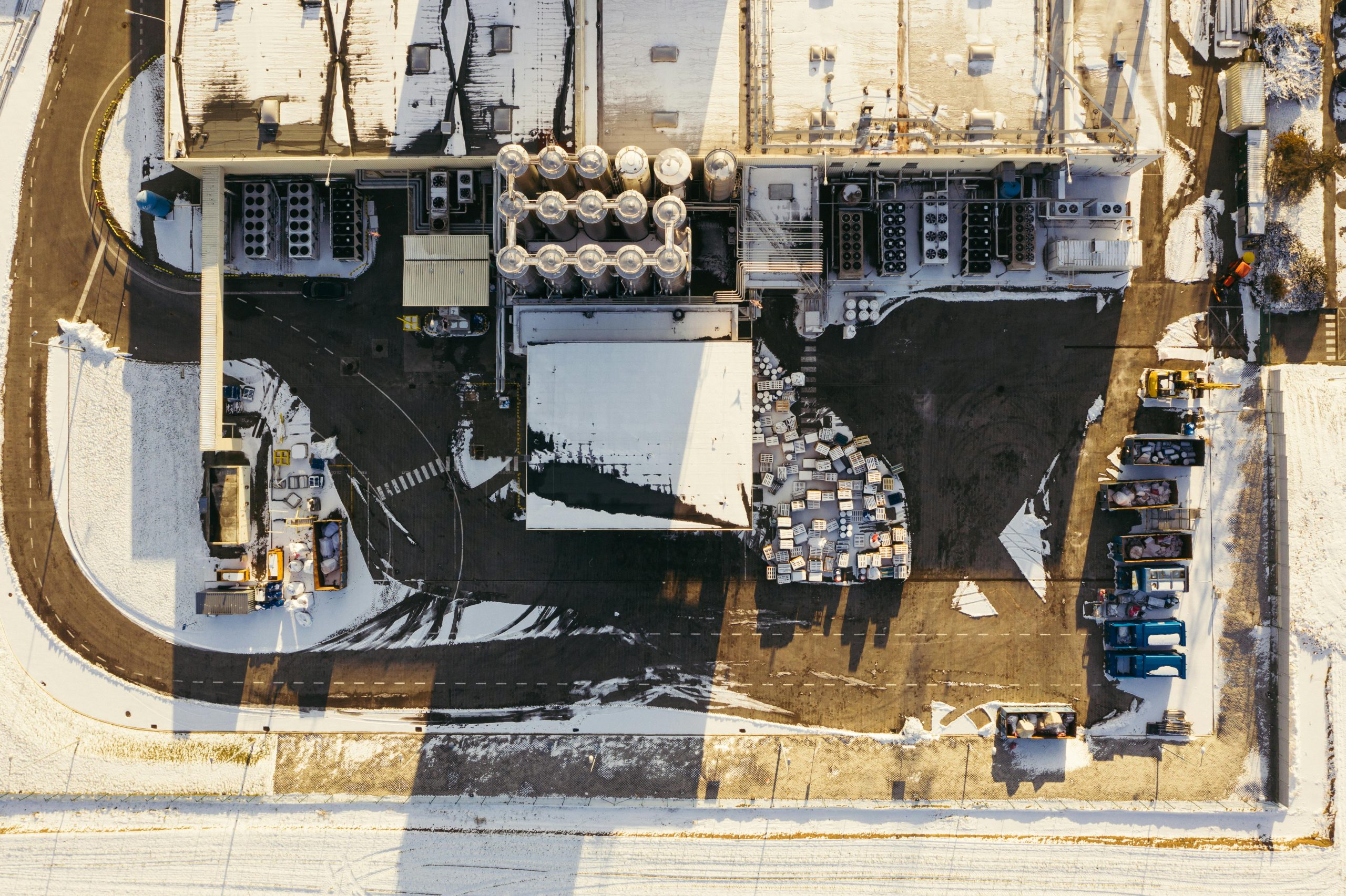
Massive floor areas
Constant movement
Team turnover
Lack of real-time visibility
A few minutes spent searching each day quickly turn into dozens of hours per year, per employee. A missing bin, tool, or piece of equipment creates bottlenecks, urgent situations, and last-minute shipments.
Items are reordered “just in case,” only for the original asset to reappear later.
Inventories and audits take longer due to the lack of reliable historical data.
Theft, damage, or assets leaving the site, particularly pallets and reusable containers.
Why is geolocation important?
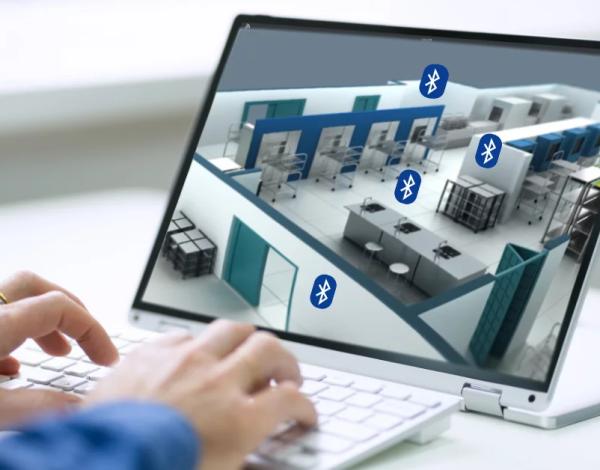
Geolocation (RTLS) puts one simple thing back at the center: knowing what is where, right now, and where it was two hours ago.
Concretely, it makes it possible to:
Instant search
of a bin, a pallet, a tool, a piece of equipment, or a cart.
Last known location
and movement history
Alerts
when an asset leaves a designated zone (e.g., shipping, quarantine, maintenance)
Zone-based visibility
“How many finished bins are at the dock?” “How many tools are in maintenance?”
Reduction of duplicate purchases
(you locate the asset before repurchasing it)
Auditing and inventory management
faster (evidence, traceability, reporting)
And above all: less operational stress. Teams stop “guessing” and get back to executing
The RIOH promise: field-level visibility
At RIOH, we built IoTcare to deliver that visibility in a pragmatic way: start small, prove the value, then scale.
The key idea: leverage what you already have.
You already have a network infrastructure (Wi-Fi, access points, cabling, VLANs, etc.)? We use it as the foundation.
Coverage isn’t sufficient in certain areas? We can add strategic points to enhance coverage and achieve more precise positioning, using Wi-Fi/BLE gateway wall outlets based on the site’s needs.
IoTcare adapts to the required level of precision: sometimes “zone-level,” sometimes “near,” and sometimes “closest possible,” depending on the use case.